
Our Story
Kept, not made.
The Ridgemont Club has had precisely one direction in one hundred and thirteen years: forward, slowly.
The Founding · 1913
A farm, a promise, and a Scotsman with a map
Hartwell Ashcombe Whitfield made his money in Virginia rail and spent very little of it on display. What he wanted, he told the sixty-one men he gathered at the Keswick Hunt breakfast of October 4, 1913, was "a place where our sons learn to lose politely and our daughters learn to win the same way." He offered six hundred forty acres of Piedmont meadow his family had farmed since 1796, a clubhouse fund of forty thousand dollars, and one condition written into the charter: the membership would never exceed five hundred, and the land would never be sold.
The condition holds. The charter of the Ridgemont Club, a Virginia nonstock corporation, places the six hundred forty acres in a perpetual trust administered by the Board of Governors. Membership, capped at five hundred, stands at four hundred eighty-two — the same figure, give or take a handful, since 1987.
Edmund Calloway arrived from Royal Dornoch in the spring of 1914 with a surveyor's chain, a pocketful of tees, and a dislike of machinery that the club has inherited. He walked the property for eleven days before driving a single stake. The course he laid out is, in its essentials, the course the membership plays today.
The House
Brick from Shadwell, and rooms that keep their names
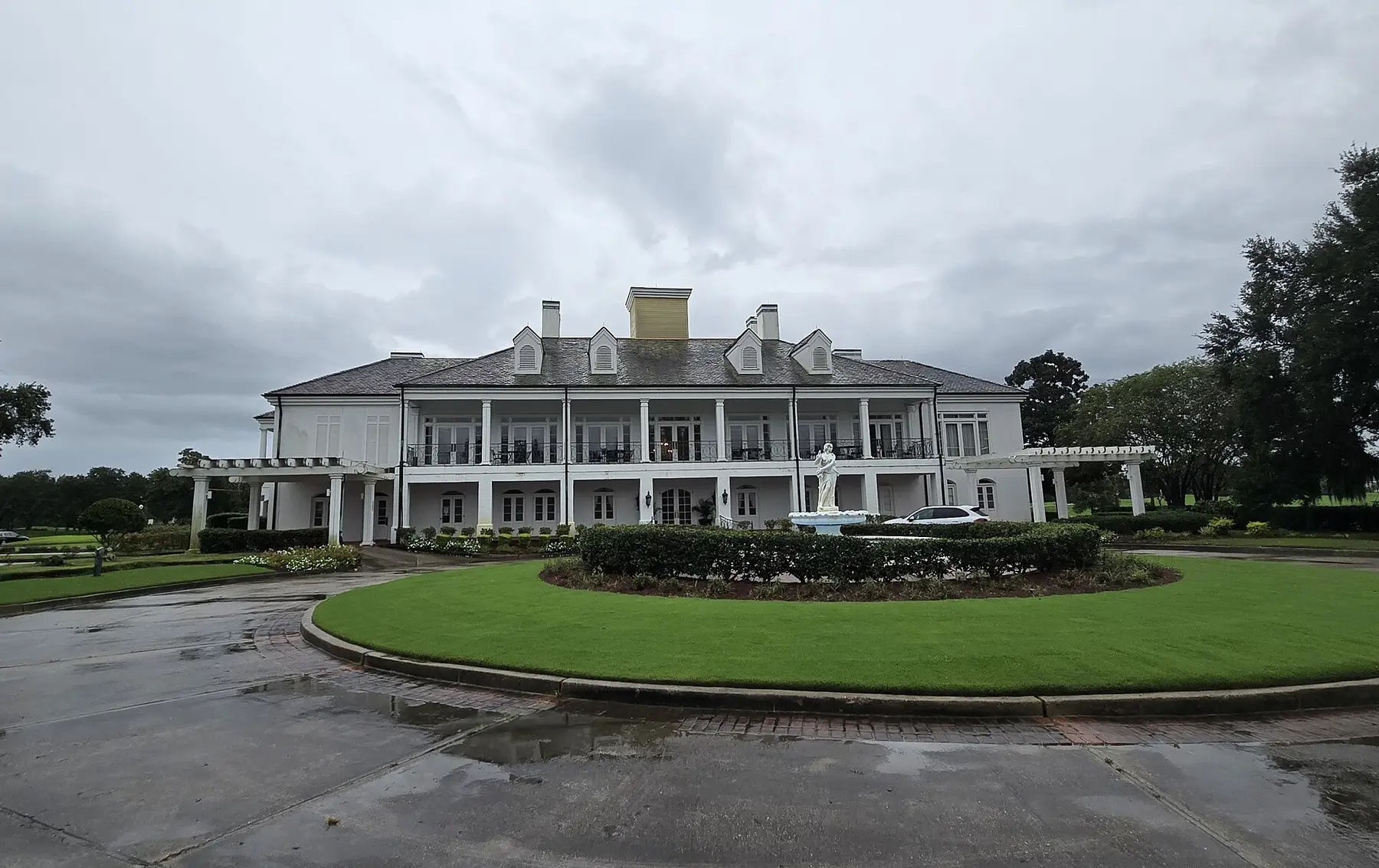
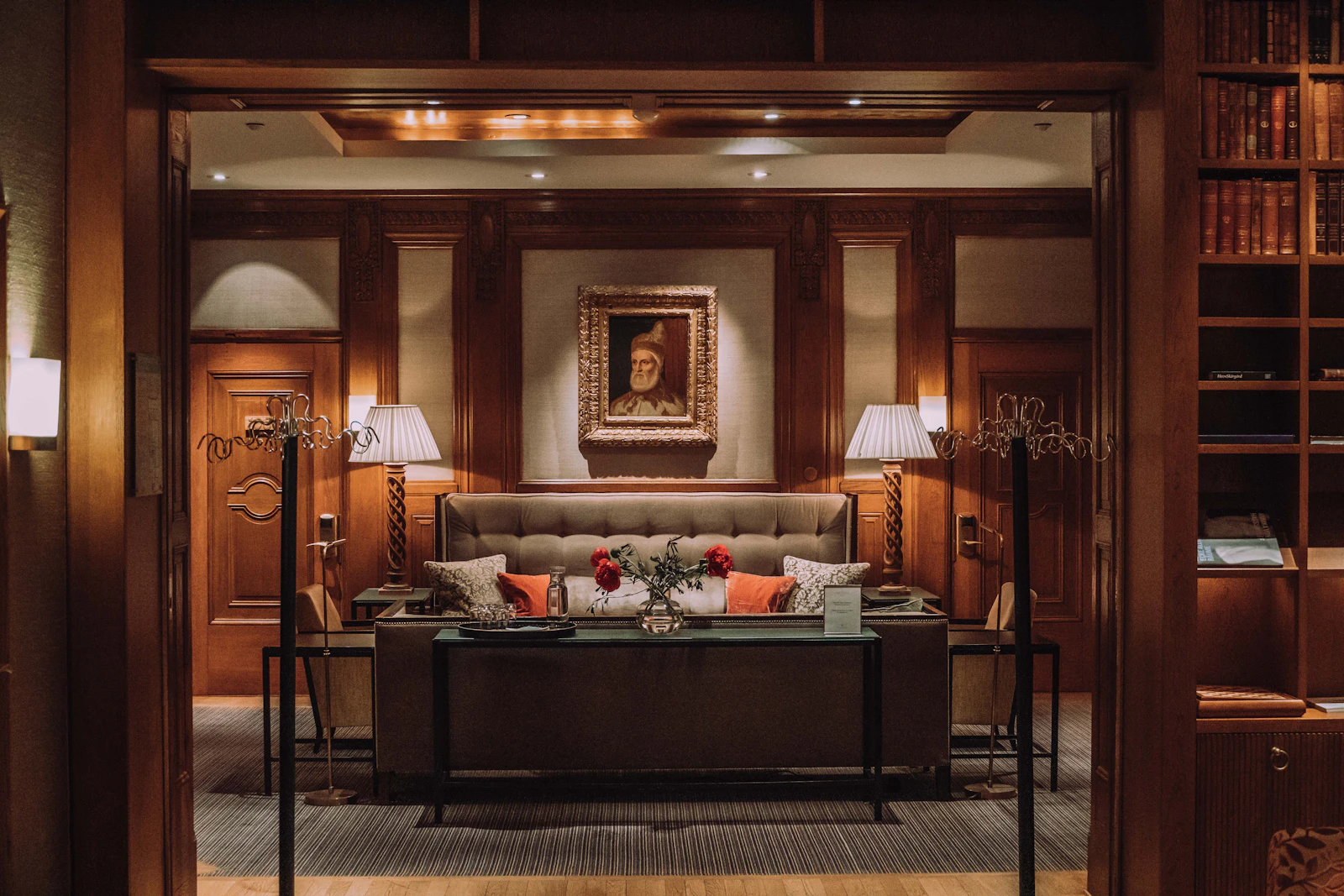
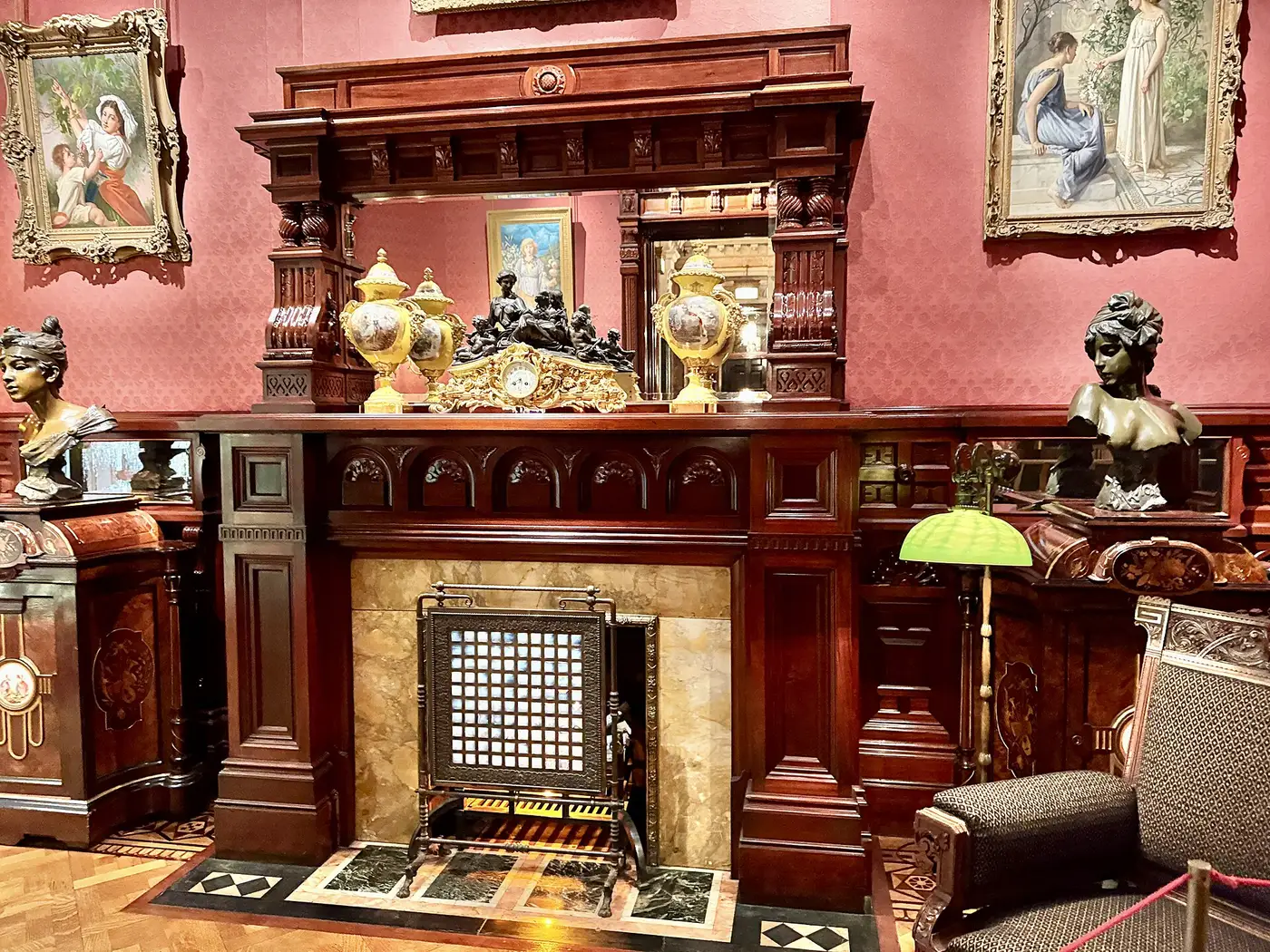
Bertram Ellery Sloane's clubhouse of 1914 is colonial in manner and Virginian in material — a columned veranda running the length of the first tee, brick fired at Shadwell for the wings, slate from Buckingham, heart pine from the property's own woodlot. The Whitfield Dining Room, the Founders Grille, the Card Room, and the Whitfield Library have never traded purposes. The ballroom upstairs is called, simply, the Ballroom, and has hosted every Harvest Ball since 1921.
The west wing of 1962 added the locker rooms and, beneath them, the wine cellar — a fortunate afterthought now holding some 8,400 bottles. The Stillhouse Spa occupies the springhouse of 1798, restored in 2009 with its original stone cool room intact.
The Record
One hundred thirteen years, briefly
The land
The Whitfield family takes up six hundred forty acres along the Southwest Mountains, farming tobacco, then wheat, then cattle.
The founding
Sixty-one charter members sign at the Keswick Hunt breakfast. Hartwell A. Whitfield is elected the first President of the Board of Governors.
House and course
Sloane's clubhouse opens in June; Calloway's first nine follows in August. The full eighteen is walked for the first time on October 12, 1915.
The first Harvest Ball
One hundred twelve couples dance in the Ballroom until two. The club has held the Ball every October since, pausing only from 1942 to 1945.
The croquet lawn
Six-wicket croquet arrives with the Whitfield Mallet, a silver trophy still contested each Midsummer. The lawn's Monday mowing to eleven millimetres becomes custom.
The west wing
Locker rooms and the cellar are added. The first vintage laid down is a case of 1959 Léoville Barton, of which three bottles remain.
Women to the Board
Mrs. Eleanor Vance Ritchie becomes the first woman elected to the Board of Governors. She serves as President from 1991 to 1994.
The Stillhouse Spa
The springhouse of 1798 is restored as a nine-room spa, its stone cool room unchanged since the Madison administration.
The restoration
The Founders Course is restored green by green to Calloway's 1915 drawings, recovered from the Library's flat files. Not a single hole changes its number.
The Meadow Nine
A par-29 walking loop opens on the lower meadow — nine holes in ninety minutes, clubs carried, scores optional, dogs welcome before nine.
The Land
Six hundred forty acres, one hundred twelve of them played upon
The golf and games of Ridgemont occupy barely a fifth of the property. The rest is managed as it has been for two centuries: two hundred twenty acres in timber, one hundred sixty in hay and pasture leased to the Albemarle County farm that has cut it since 1955, and the remainder in meadow, hedgerow, and pond. The club has been an Audubon Cooperative Sanctuary since 1998; the bluebird trail along the Meadow Nine is kept by the grandchildren of the man who built it.
The charter's instruction is quoted to every new member at induction: the land is the membership's only heir.

“We did not inherit this club from our founders. We are borrowing it from members not yet proposed.” Eleanor Vance Ritchie, President of the Board · 1991–1994